The Ultimate Guide to MPK Prosthetics
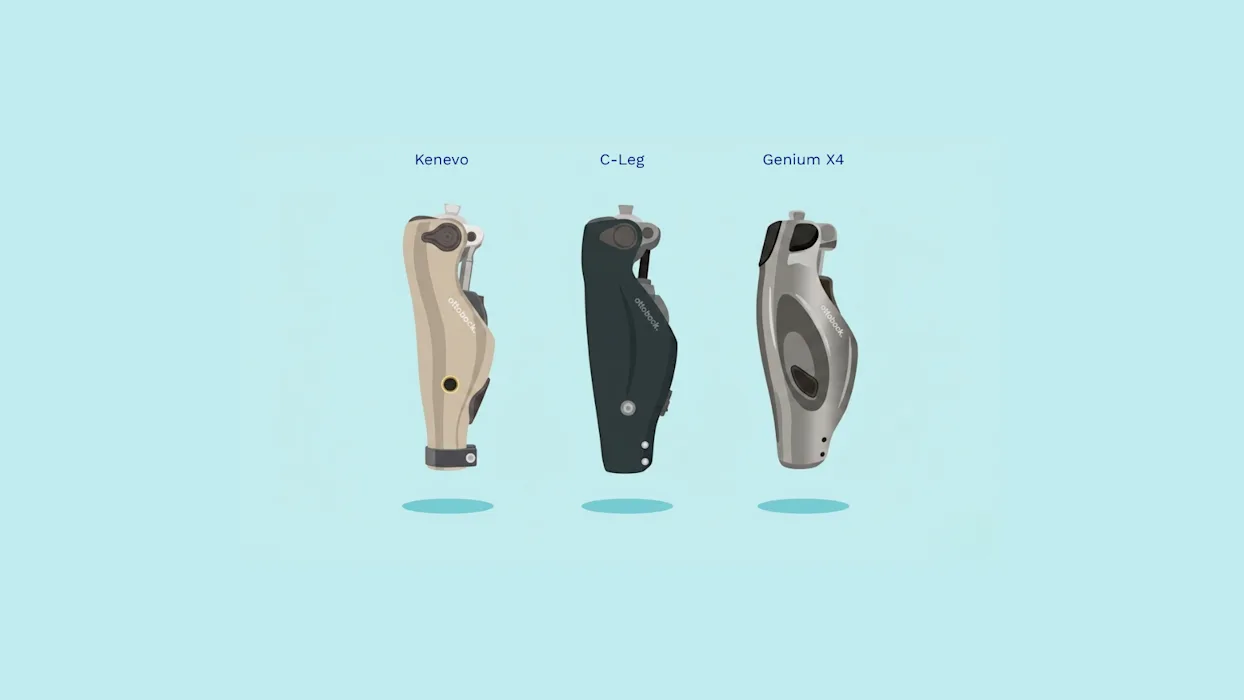
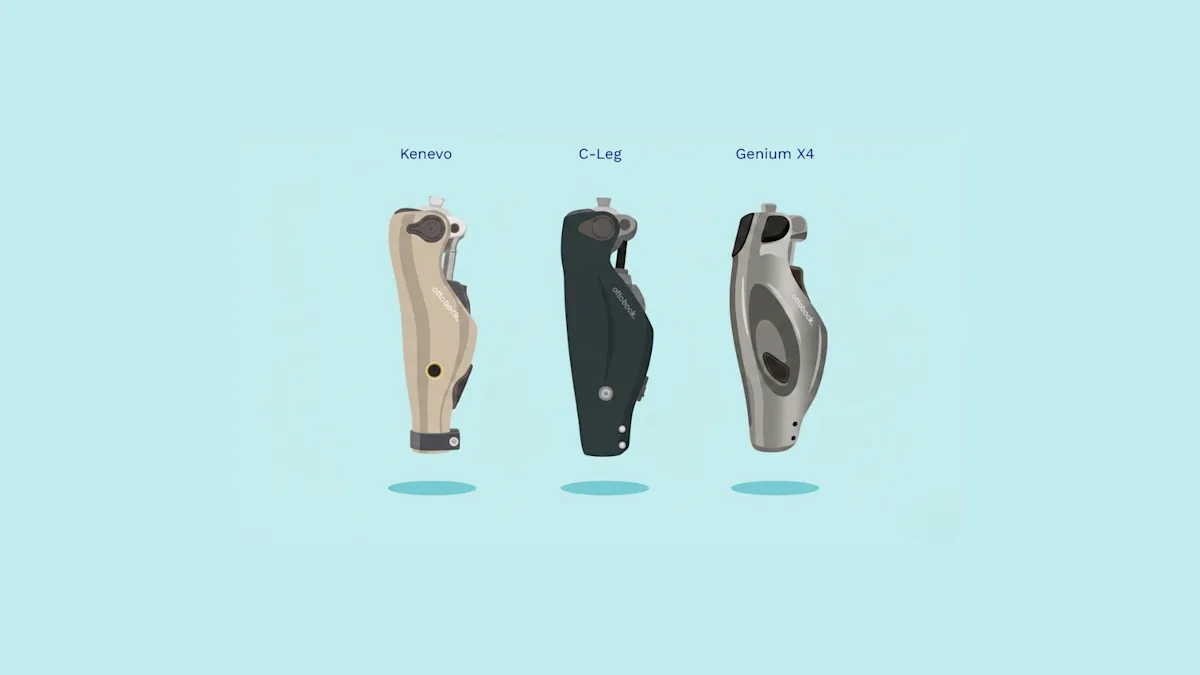
Welcome to the ultimate guide to Microprocessor Knee (MPK) prosthetics! If you're exploring options for a prosthetic knee that can keep up with your active life, you've come to the right place. At Ottobock Care, our prosthetists are experts in the field of MPK technology, and we're proud to be part of Ottobock, a leading global manufacturer of these innovative devices. We'll break down what MPKs are, their benefits, what to consider, and how they compare to other types of prosthetic knees. Our goal is to provide you with clear, easy-to-understand information to help you on your journey.
What Exactly is an MPK? It's short for a Micro-Processor Knee
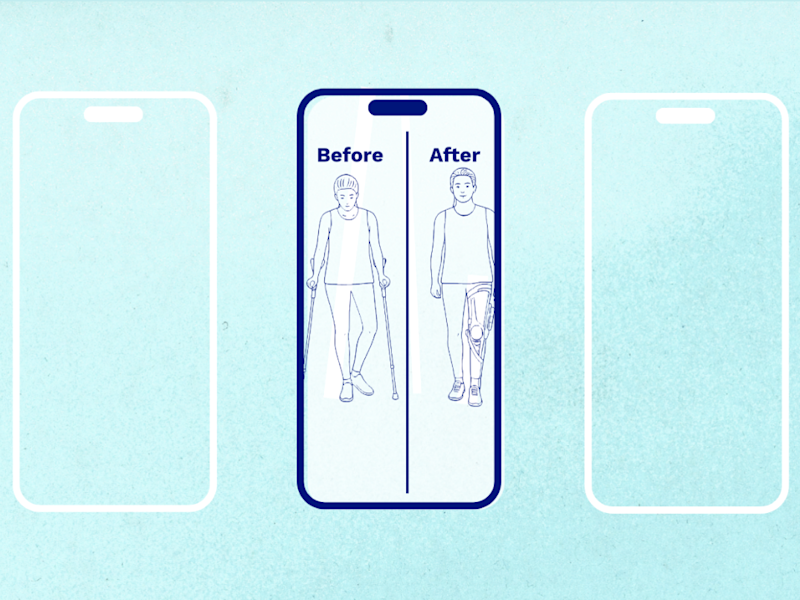
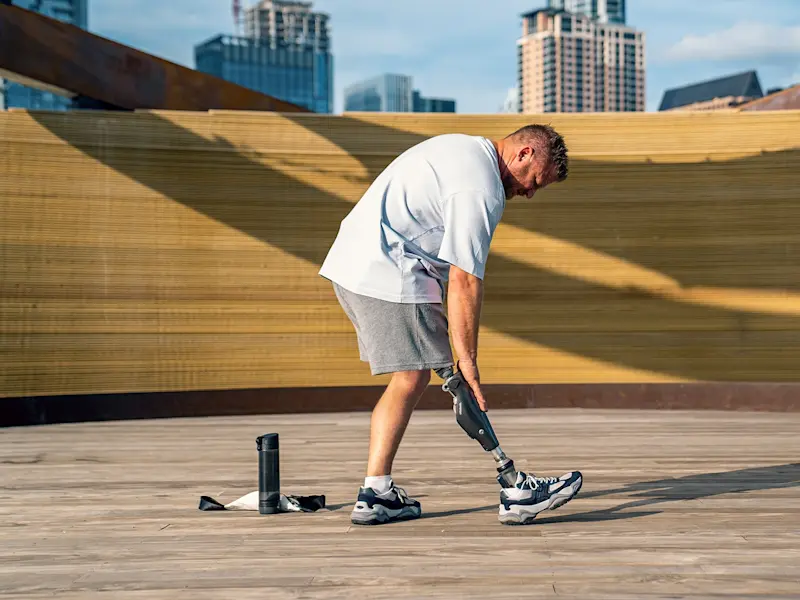
You're probably hearing a lot about microprocessor knees (MPKs) these days – maybe in your amputee support groups, from friends in the limb loss community, or even during conversations with your healthcare team. And for good reason! Imagine a prosthetic knee that thinks and adapts with you. That's essentially what an MPK does. Unlike traditional mechanical knees, which rely on simpler mechanisms, MPKs utilize sophisticated computer technology to closely mimic the natural movement of your biological leg.
At its core, an MPK:
Works like a Computer: It contains an internal microprocessor that receives information from sensors.
Mimics Natural Knee Action: Like a biological knee, it's designed to flex and extend smoothly as you walk.
Adapts to Different Activities and Terrain: This is where the "microprocessor" comes in. The sensors constantly monitor your movement and the ground beneath you, sending signals to the computer. The computer then adjusts the stiffness and resistance of the knee in real-time to provide the right support for the situation.
This advanced technology opens doors to activities that might be more challenging with other types of prosthetics, such as descending stairs and ramps or navigating uneven ground – experiences we know are important to you and your independence.
Mechanical vs. Microprocessor Knees
Generally speaking, there are two main categories of prosthetic knees:
Mechanical Knees: These simpler designs use mechanisms like friction, hydraulics, pneumatics, or locking systems to control bending and straightening. They often rely on body weight to activate stance control or rigidity of the knee when bending like going downstairs and ramps.
Microprocessor Knees (MPKs): As we've discussed, these knees use sensors and a computer to dynamically adjust their resistance and stability based on your gait and the environment. When you speed up, they speed up. When you slow down, they slow down. When you walk level to then head down a ramp it instantly adapts and controls you from falling at heel strike.
It's important to understand that not everyone needs an MPK. The best choice depends on your individual needs, your current abilities, your desired lifestyle, your balance, and your activity level. Your physician and prosthetist will conduct a thorough evaluation to determine the most suitable option for you.

The Benefits of Choosing a Microprocessor Controlled Knee
MPKs offer several significant advantages due to their advanced technology:
Enhanced Stability and Fall Prevention: By adjusting the knee's stiffness in real-time, MPKs can detect the beginning of a stumble and stiffen to help prevent a fall. This is a crucial safety feature especially when crossing uneven surfaces or slopes.
Adaptability to Varied Terrain: Whether you're walking on slopes, uneven ground, or encountering obstacles like potholes, the MPK can automatically adjust to provide the necessary stability and control.
Support for Different Activities: If you enjoy running or other higher-impact activities, the microprocessor can be adjusted to make the knee's reaction better accommodate these movements in a safer manner thus making you trust your prosthesis more.
More Natural Gait: The precise control offered by MPKs can lead to a more fluid and natural walking pattern, reduced energy expenditure and thought required for each step.
Improved Confidence and Mobility: Feeling more stable and secure on your prosthetic leg can significantly boost your confidence and allow you to move more freely.
Reduced Cognitive Demand: Navigating challenging environments with a mechanical knee often requires significant concentration. MPKs can reduce this mental burden, allowing you to focus on your surroundings rather than your steps.
Potentially Increased Independence: The added stability and adaptability can make everyday tasks and navigating different environments easier, leading to greater independence.
It's worth noting that MPKs are often recommended for individuals with bilateral (both legs) amputations and are frequently used in conjunction with microprocessor feet for a comprehensive prosthetic solution.
Important Considerations for Microprocessor Knees
While MPKs offer many benefits, there are a few important factors to keep in mind:
Power Requirement: As electrical devices, MPKs need to be charged regularly to function. This is a daily or weekly maintenance task.
Weight: Generally, MPKs tend to be heavier than traditional mechanical prosthetics but often feel lighter weight when swinging due to the electronic adjustments that are happening.
Cost: The advanced technology in MPKs comes with a higher price tag but are typically approved for most with Medicare or Private Health Insurance. Contact our team for help understanding your plan’s coverage.
Microprocessor knees (MPKs) represent advanced prosthetic technology. Medicare has established functional levels, ranging from K0 to K4, to classify amputee mobility. Most payers, including Medicare and private insurance, typically require a minimum functional level of K2 for MPK coverage. These levels are defined as follows:
K0: Non-ambulatory or not a prosthetic candidate (bedridden).
K1: Transfers and ambulates at a slow, fixed speed, typically with assistive devices.
K2: Household ambulator at a fixed speed.
K3: Community ambulator with variable walking speeds and the ability to navigate low-level barriers.
K4: High-activity user, capable of athletic activities.
The cost of the microprocessor knee component itself can range from $20,000 to $60,000. It's important to note that this price does not include the socket or prosthetic foot, which are separate expenses. To determine your functional level and candidacy for an MPK, consult with your prosthetic provider.
Mechanical Knees
It's important to remember that computerized doesn't automatically mean better for everyone. There are individuals who successfully use mechanical Knees. These devices don't require charging and can utilize hydraulic fluid or mechanical friction to control the speed of knee bending. For individuals with lower activity levels or specific needs, a mechanical knee might be the more appropriate.
Real-World Impact: Navigating Life with an MPK
Imagine trying to walk across an old, uneven parking lot filled with slopes, potholes, and speed bumps with a basic mechanical knee. It can be a mentally and physically demanding task, requiring careful planning and precise movements.
Microprocessor knees can transform this experience. By adapting to your gait and the terrain in real-time, they make navigating such environments much easier and safer. You can walk or even run over uneven surfaces with greater confidence and less effort.
How MPKs Work
Let's delve a little deeper into the technology behind MPKs:
Sensors: These internal components gather information about your movement, such as the angle and speed of your knee joint, and sometimes even the forces being applied. Some MPKs also receive data from sensors in the prosthetic ankle or pylon.
Microprocessor: This is the "brain" of the knee. It receives data from the sensors and uses sophisticated algorithms to analyze the situation.
Actuators (Mechanical Mechanisms): Based on the microprocessor's analysis, these mechanisms adjust the resistance within the knee joint. This can involve controlling hydraulic or pneumatic systems or adjusting mechanical components.
Activity Modes: Many MPKs offer specific user modes for different activities like standing support, hiking, basketball, or golf. These modes can be customized to provide optimal support for those activities.
Where did it all begin?
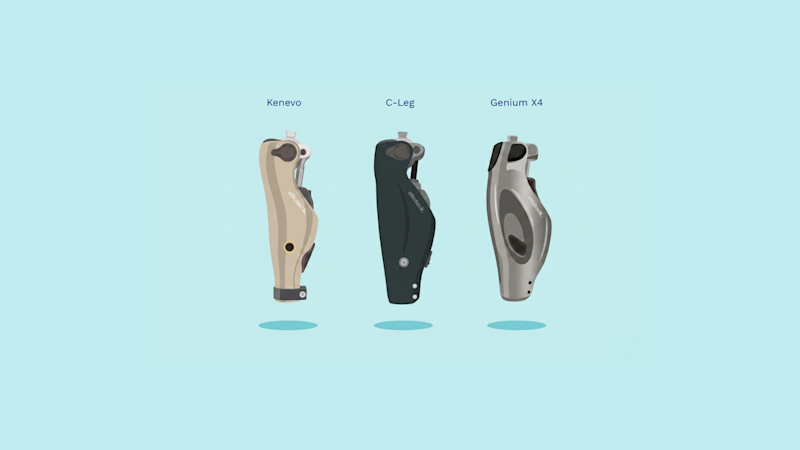
The first commercially available MPK was Ottobock's Intelligent Prosthesis (IP) Knee, which focused on controlling the swing phase of walking. The introduction of Ottobock's C-Leg in 1997 was a major breakthrough, as it provided control during both the swing and stance phases, significantly improving stability on uneven terrain and stairs.
These early innovations paved the way for the advanced MPKs available today, helping patients navigate their lives with greater ease and reduced physical and mental strain.
Justifying the Need for a Microprocessor Knee
When your healthcare team considers prescribing an MPK, they must carefully review your insurance coverage criteria. While specific requirements can vary, insurance providers generally look for the following:
Unrestricted Community Ambulation: You should be able to walk in various community settings and at different speeds.
Demonstrated Need for Varied Terrain and Stairs: Regular ambulation on uneven surfaces or frequent stair use is often a key justification.
Adequate Physical Capacity: You need sufficient cardiovascular and pulmonary health to walk at faster speeds and cover longer distances.
Cognitive Ability: You must be able to understand and manage the use and care of the MPK technology, including charging and responding to alerts.
Proper Documentation: Your prosthetist and ordering physician must provide thorough documentation explaining why an MPK is medically necessary for your specific needs.
While MPKs are often more expensive, suitable alternatives like pneumatic or hydraulic mechanical knees can still offer increased walking comfort, speed, and symmetry for active patients when cost is a significant factor.
Navigating Medicare and PDAC Requirements for Microprocessor Knees with Ottobock Care
Understanding Medicare policies is crucial when considering a microprocessor knee (MPK), and at Ottobock Care, we are dedicated to guiding you through this process seamlessly. As of December 1, 2020, Medicare implemented a requirement for prior authorization before a provider can bill for an MPK. Our experienced billing team at Ottobock Care stays current with these regulations and works diligently to secure the necessary approvals.
Furthermore, the Pricing, Data Analysis and Coding (PDAC) contractor has specific coding requirements that must be met for certain MPK L-Codes. These codes, including L5856, L5857, and L5858, relate to different types of microprocessor-controlled knee-shin systems. Your Ottobock Care prosthetist is highly knowledgeable about these coding regulations and ensures all necessary documentation aligns with PDAC guidelines for proper billing. They collaborate closely with our billing team to streamline the administrative aspects of your care.
Recent Positive Changes for K2 Amputees and Ottobock Care's Commitment
In a significant development effective September 1, 2024, Medicare policy has expanded access to advanced prosthetic knees for individuals with limited mobility (K2 ambulation level). Previously, MPKs and other sophisticated knee technologies like hydraulic and pneumatic options were often primarily considered for those with higher activity levels.
The updated guidelines now recognize the potential for these advanced knees to substantially improve the quality of life for K2 amputees. The enhanced stability, support, and functionality offered by MPKs can lead to greater independence and safety, even for individuals who may not be high-activity users. Our clinical liaisons at Ottobock Care are actively staying informed about these policy changes to ensure our patients benefit from these expanded opportunities.
What this means for K2 Patients at Ottobock Care
If you are a K2 ambulator, you may now have increased opportunities to qualify for an MPK through Ottobock Care. Your Ottobock Care prosthetist will conduct a comprehensive evaluation to determine if an advanced knee is the most appropriate solution for your specific needs and functional goals. This evaluation, supported by our clinical expertise, will focus on how the MPK can improve your outcomes, such as reducing the risk of falls and increasing your ability to perform daily activities safely and efficiently.
Working with Your Ottobock Care Team
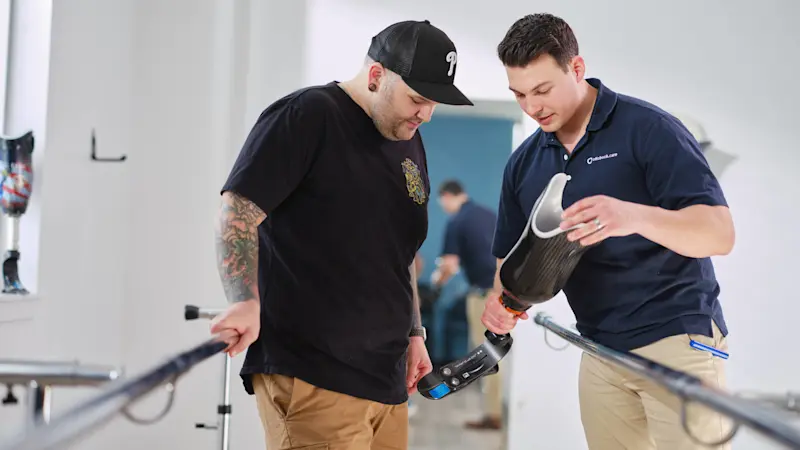
Your dedicated team at Ottobock Care – including your prosthetist, clinical liaison, and our billing specialists – works collaboratively to navigate these Medicare and PDAC requirements. We are committed to ensuring a smooth and efficient process, from initial evaluation and device selection to securing necessary authorizations and handling billing. We understand the complexities involved and are here to advocate for the prosthetic solution that best suits your individual circumstances. Don't hesitate to discuss any questions you have about Medicare coverage and the approval process with any member of your Ottobock Care team.
What's the Best MPK?
Ultimately, determining the best MPK for you is a personal decision that should be made in consultation with your prosthetist. Your Ottobock Care prosthetist can provide detailed information and guidance to help you choose the device that best suits your individual needs and lifestyle. Factors to consider include:
Weight of the device
Battery life
Water resistance
Available user modes
MPKs Empowering Your Movement
Microprocessor knees have come a long way, and they continue to evolve. Their ability to provide a balance of stability and agility empowers users to walk with a more natural, stable, and efficient gait, ultimately increasing their confidence and independence.
We hope this comprehensive guide has provided you with valuable information about MPK prosthetics. Remember to have detailed discussions with your physician and prosthetist to determine the best prosthetic solution for your unique needs and goals. Stay tuned to our blog for more helpful resources on prosthetic care!
Reference: Campbell, J. H., Stevens, P. M., & Wurdeman, S. R. (2020). OASIS 1: Retrospective analysis of four different microprocessor knee types. Journal of Rehabilitation and Assistive Technologies1 Engineering, 7, 2055668320968476.