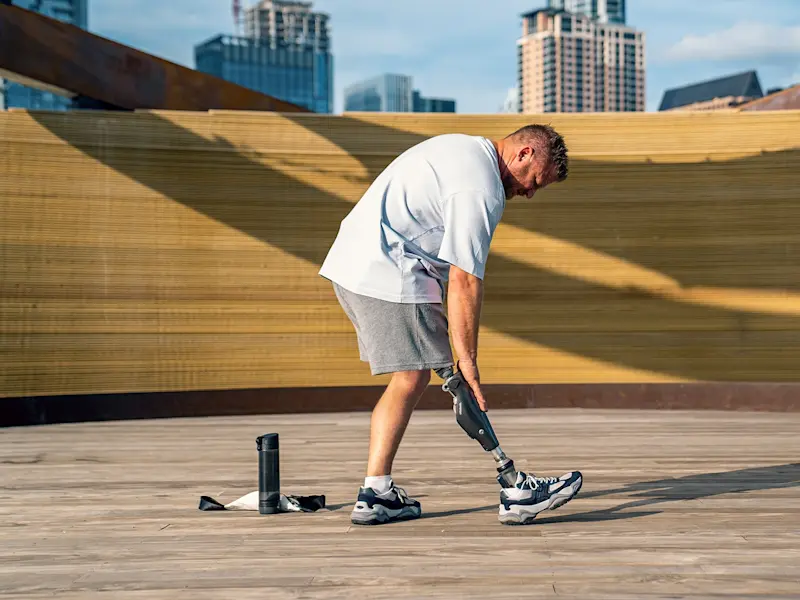
Above‑Knee Amputation Management
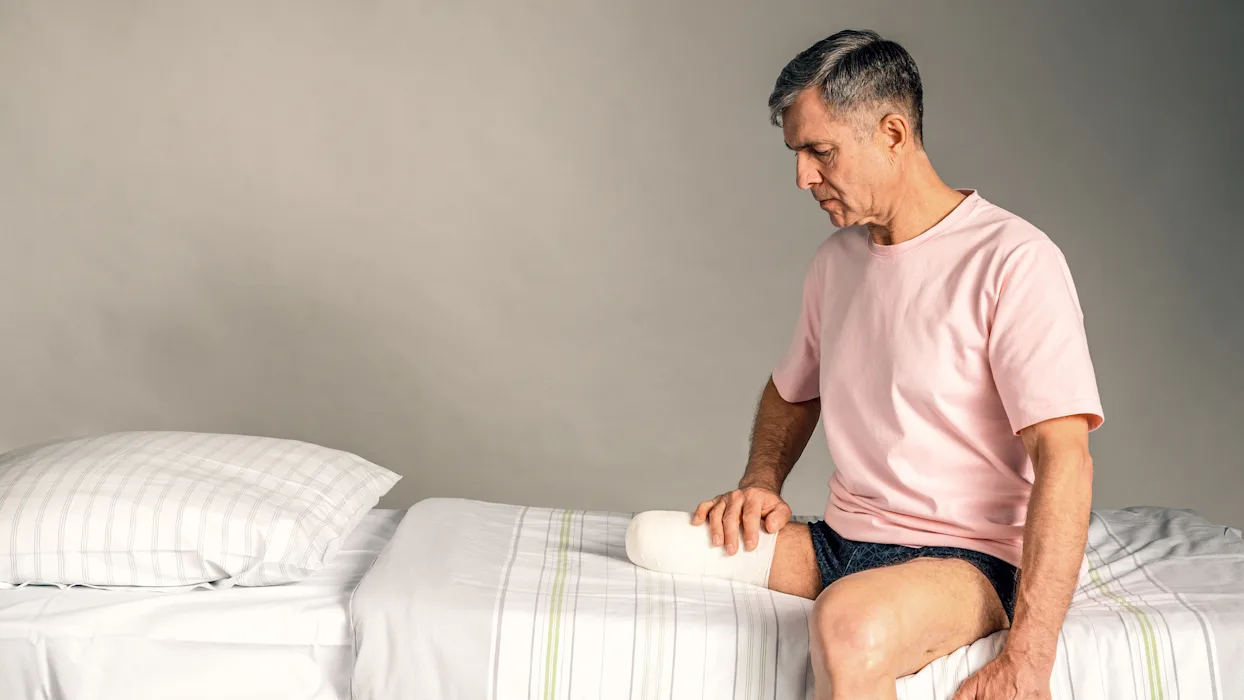
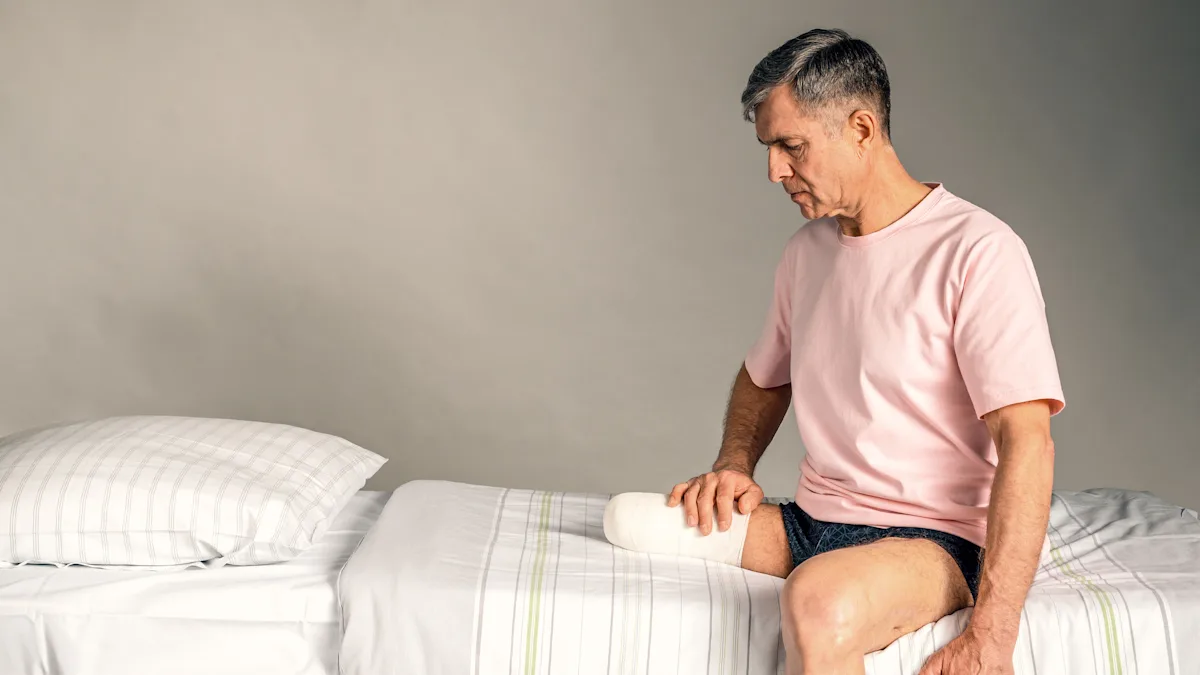
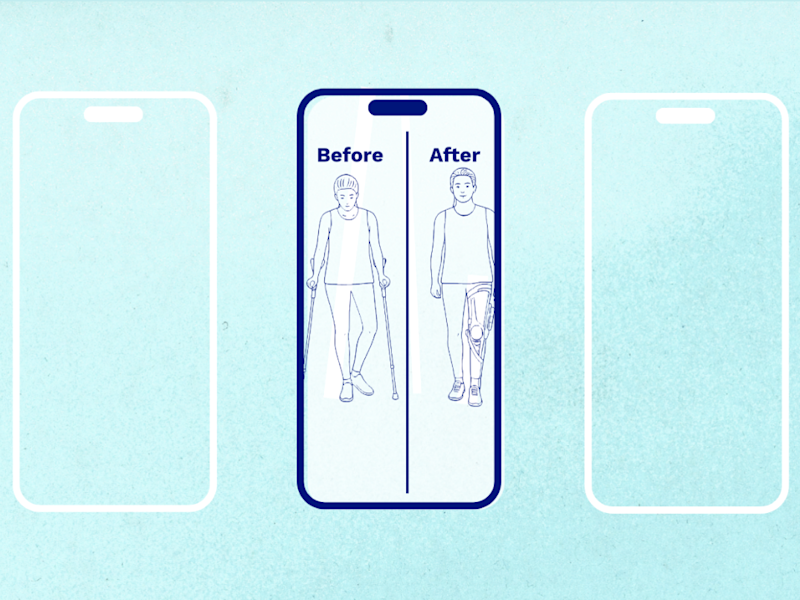
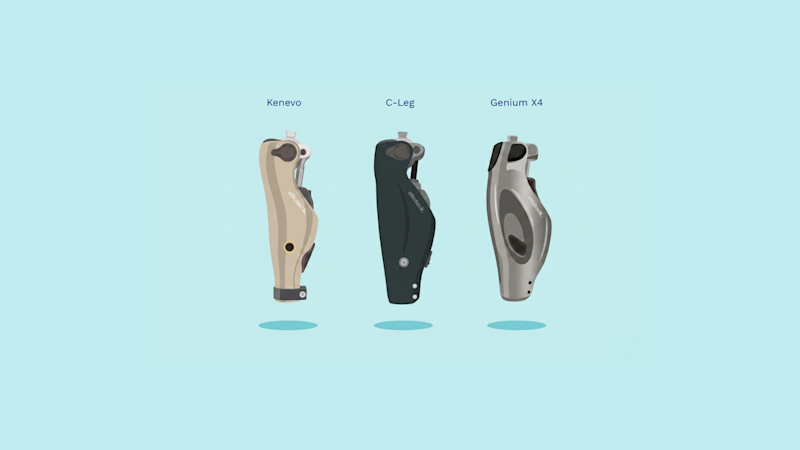
Above‑knee amputation, also known as transfemoral amputation, refers to surgical limb removal above the knee joint. This level of limb loss requires specialized rehabilitation and a prosthetic system that includes both a socket and prosthetic knee.
With proper above‑knee amputation management, many individuals regain mobility, independence, and confidence. Long‑term outcomes are strongly influenced by early residual limb care, prevention of complications, and ongoing collaboration with an experienced prosthetic care team such as Ottobock Care.
Above‑Knee Amputation Care
What Is Above‑Knee Amputation Management?
Above‑knee amputation management includes the clinical care, rehabilitation strategies, and daily self‑care practices required to prepare and maintain the residual limb for prosthetic use. It begins immediately after surgery and continues throughout life.
Effective management helps:
Control residual limb swelling
Shape the limb for proper prosthetic socket fit
Maintain healthy skin
Prevent infection and hip contractures
Improve comfort and walking efficiency with an above‑knee prosthesis
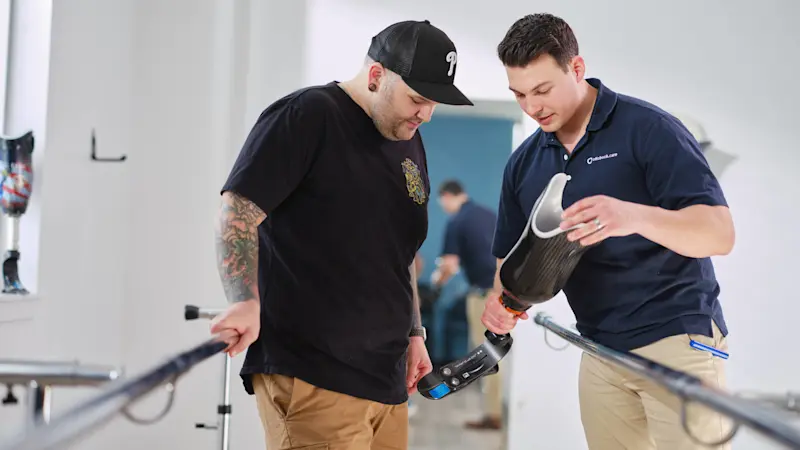
At Ottobock Care, prosthetists work as part of a coordinated clinical team to guide patients through each phase of transfemoral prosthetic rehabilitation.
Compression Wrapping After Above‑Knee Amputation
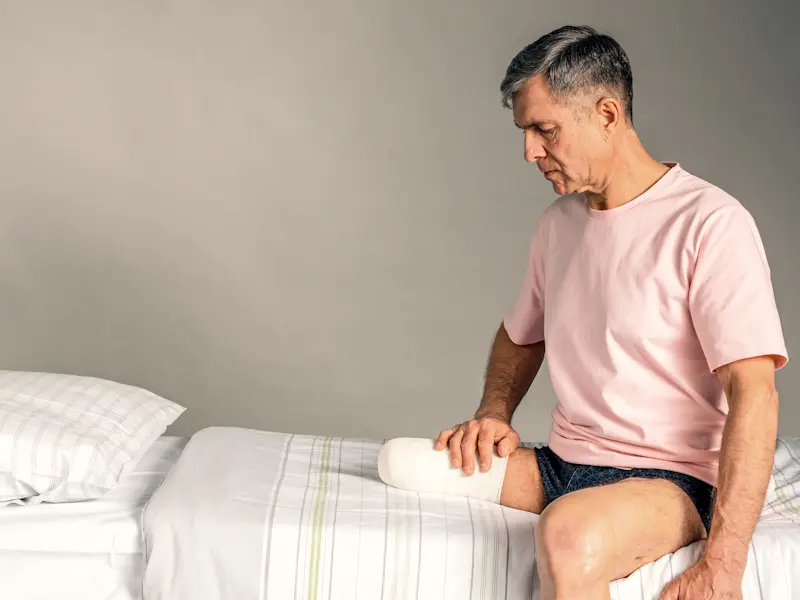
Compression wrapping is a cornerstone of early recovery after above‑knee amputation. It helps manage edema, improves circulation, supports wound healing, and prepares the limb for prosthetic fitting.
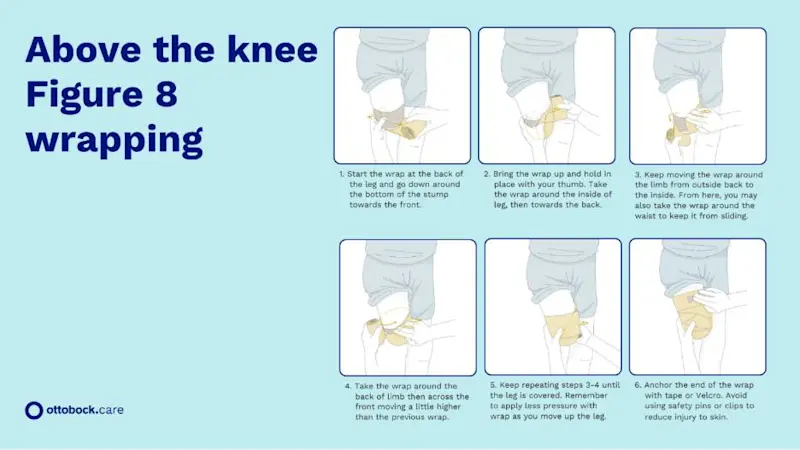
Most above‑knee amputees use a figure‑8 compression wrap applied with a 4‑ or 6‑inch elastic bandage. Proper technique should be demonstrated and monitored by an Ottobock Care prosthetist.
Figure‑8 Wrapping
Greater pressure at the distal end, decreasing proximally
Snug but not restrictive (two‑finger rule)
Never wrap in full circular passes
Rewrap every 4–6 hours
Compression worn up to 20–23 hours per day
Persistent redness, pain, or discomfort should be reviewed by your Ottobock Care prosthetic team.
Preventing Hip Flexion Contracture After Above‑Knee Amputation
Hip flexion contracture is a common complication after above‑knee amputation. It limits the ability to fully extend the hip and can seriously interfere with prosthetic walking.
Prevention begins immediately after surgery.
Positioning Guidelines
Avoid resting the residual limb on pillows
Do not sleep with a pillow between the legs
Lie flat when resting whenever possible
Limit prolonged sitting
Daily stretching prescribed by physical therapy is essential. Your Ottobock Care prosthetist will also monitor how hip range of motion affects prosthetic alignment and gait.
Residual Limb and Skin Care for Above‑Knee Amputees
The residual limb is enclosed in a prosthetic socket for many hours each day. Consistent skin care reduces irritation, breakdown, and infection risk.
Skin Care Best Practices
Wash daily using mild, fragrance‑free soap
Dry completely before prosthetic use
Inspect the limb at least twice daily
Monitor high‑pressure areas after removing the prosthesis
Redness that resolves within 10–15 minutes is usually normal. Persistent redness or skin breakdown should be evaluated by an Ottobock Care prosthetist.

Signs of Infection After Amputation
Early detection of infection is critical.
Contact Your Physician If You Notice:
Increasing redness, warmth, or swelling
Abnormal discharge
Red streaking from a wound
Increased pain or fever
Seek Immediate Care If:
The limb feels cold
There is foul‑smelling drainage
Skin appears darkened or black
Your prosthesis may require temporary modification. An Ottobock Care prosthetist can coordinate care during healing.
Physical Activity, Weight Stability, and Long‑Term Prosthetic Success
Physical activity supports strength, endurance, and joint health after above‑knee amputation. Weight stability is essential—small changes can significantly affect socket fit.
Ottobock Care prosthetists work with patients over time to adjust prosthetic fit as the body changes, supporting safe activity and long‑term mobility.
Frequently Asked Questions
About Ottobock Care
Ottobock Care is a global prosthetic and orthotic care provider delivering personalized services through board-certified and licensed clinicians specializing in prosthetic and orthotic clinical care, including above‑knee prosthetic care.
Educational Disclaimer
This content is for general educational purposes and does not replace individualized medical or prosthetic care. Always consult your physician or Ottobock Care prosthetist regarding treatment decisions.
Above‑Knee Amputation Management: Care, Compression, and the Path to Prosthetic Mobility
Get a Consultation
Are you ready to take the next step towards improved mobility and comfort? Find an orthotics and prosthetics clinic near you and schedule your appointment today!